If you're a parent, caregiver, or spend any time around children, you've likely noticed a puzzling phenomenon: kids seem to be magnets for every cough, sniffle, and stomach bug circulating. One day they're perfectly fine, the next they're sniffling with a runny nose, or worse. It can be frustrating, exhausting, and often leaves parents wondering, "Why does my child get sick so often?"
While it might feel like your child is constantly battling something, this frequent exposure to illness is a normal, and even essential, part of their development. In this post, we'll delve into the primary reasons why children seem to catch everything and what's happening behind the scenes as their bodies learn to fight off invaders.
The Developing Immune System: Learning on the Job
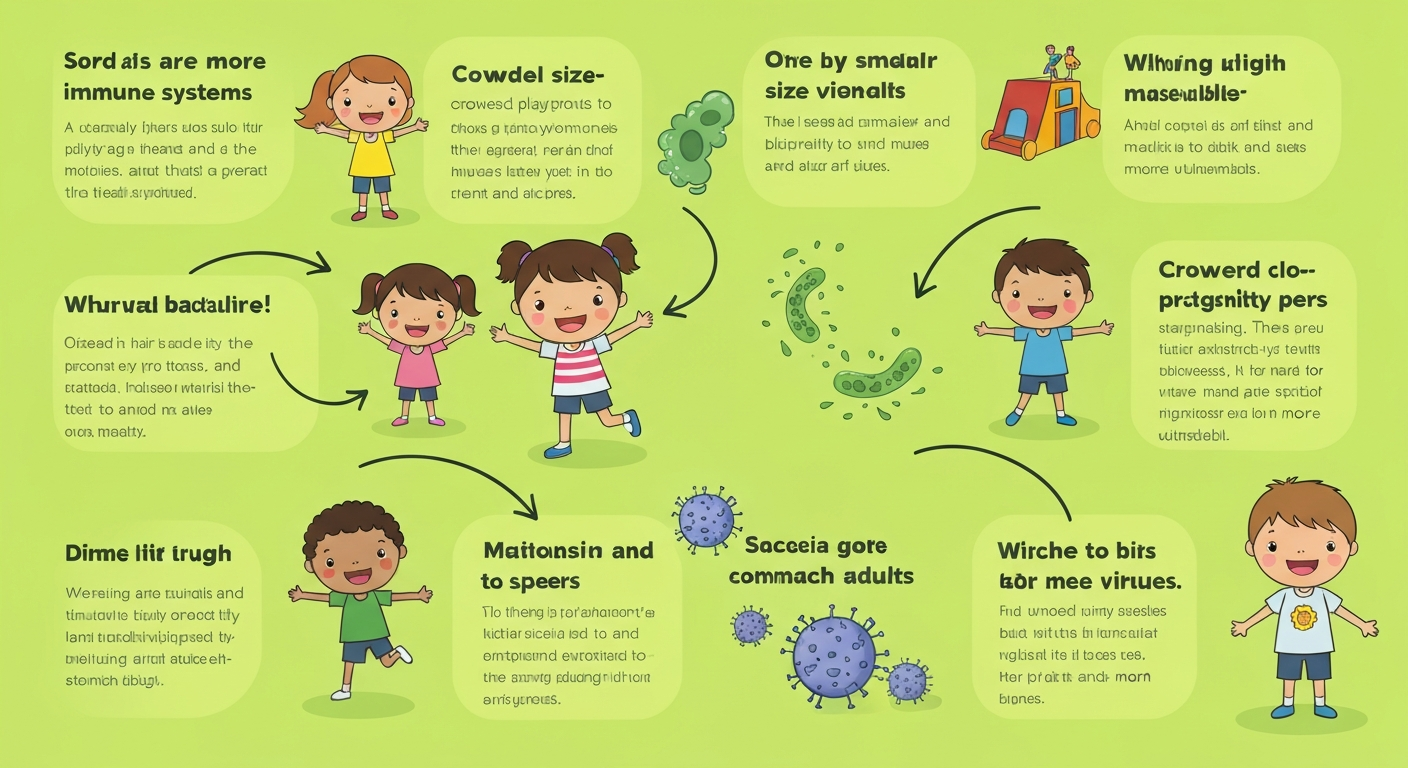
One of the biggest reasons children get sick frequently is their still-developing immune system. Unlike adults, whose immune systems have been "schooled" by years of exposure to various pathogens, a child's immune system is relatively new to the game. Think of it like a new student in a classroom: it's encountering many germs for the very first time.
No Prior Exposure: Each new virus or bacteria a child encounters is a novel challenge for their immune system. It takes time to identify the invader, mount an effective defense, and then develop memory cells to fight it off more quickly in the future.
Building Immunity: Every time a child gets sick and recovers, their immune system becomes stronger and more efficient. It's building a 'library' of defenses against specific germs. This process, while uncomfortable, is crucial for long-term health.
Frequent Exposure to Germs: A Social Hazard
Children live in a world teeming with germs, and their social lives only amplify this exposure. Places where kids congregate are veritable breeding grounds for viruses and bacteria.
Daycare and School: These environments are hotbeds for germ transmission. Children share toys, touch surfaces, and are in close proximity to many other kids, some of whom may be unknowingly carrying an illness.
Hands-On Exploration: Kids, especially toddlers, explore the world with their hands and mouths. Everything goes in the mouth – toys, hands, sometimes even dirty objects from the floor. This direct contact with germs is a fast track to illness.
Close Contact: Whether it's hugging friends, playing tag, or sitting next to someone who sneezes, close physical contact facilitates the spread of respiratory and other illnesses.
Challenges with Hygiene Habits
Let's be honest: good hygiene habits don't always come naturally to children. While adults have ingrained practices like washing hands after sneezing or before eating, children are still learning these vital routines.
Inconsistent Handwashing: Kids often forget to wash their hands, or they do a quick, ineffective rinse. Proper handwashing with soap and water is one of the most effective ways to prevent the spread of germs.
Cough and Sneeze Etiquette: Covering coughs and sneezes into an elbow is a learned behavior. Without proper practice, airborne droplets can easily spread to others.
Touching Face: Children frequently touch their eyes, nose, and mouth – pathways for germs to enter the body, especially after touching contaminated surfaces.
Seasonal Factors and Environmental Influences
Certain times of the year and environmental conditions can also contribute to a child's susceptibility to illness.
Cold and Flu Season: During colder months, people spend more time indoors in closer quarters, leading to easier transmission of respiratory viruses like the common cold and influenza. Dry winter air can also affect nasal passages, making them more vulnerable.
Allergens: For some children, environmental allergens (like pollen, dust mites, or pet dander) can trigger allergic reactions that mimic cold symptoms or weaken the respiratory system, making them more prone to infections.
Secondhand Smoke: Exposure to secondhand smoke significantly increases a child's risk of respiratory infections, ear infections, and asthma.
Common Childhood Illnesses and Their Frequency
Children are typically susceptible to a range of common illnesses, many of which are viral and run their course with supportive care.
The Common Cold: Kids can get 6-10 colds per year, especially in their early years, as there are hundreds of different cold viruses.
Flu: While less frequent than colds, influenza can be more severe. Annual flu shots are crucial for prevention.
Ear Infections: Often secondary to a cold, ear infections are very common in young children due to their developing Eustachian tubes.
Stomach Bugs (Gastroenteritis): Viruses like rotavirus (preventable by vaccine) and norovirus cause vomiting and diarrhea.
Conclusion: A Normal Part of Growing Up
It's clear that kids get sick often for a combination of reasons: their developing immune systems, constant exposure to germs in social settings, still-learning hygiene habits, and environmental factors. While it can be challenging for parents, remember that each illness helps to strengthen their immune defenses, making them more resilient in the long run.
To support your child's health, focus on consistent handwashing, ensuring they get adequate sleep, a nutritious diet, up-to-date vaccinations, and discouraging contact with obviously sick individuals. It's a bumpy but necessary journey to a robust immune system, and with a little patience and good practices, your child will grow healthier and stronger with each sniffle overcome.