When it comes to the health of our children, nothing is more important. From their very first breath through the formative years of adolescence, children have unique medical needs that differ significantly from adults. This is precisely where pediatric care comes in, serving as a specialized branch of medicine dedicated entirely to the well-being of infants, children, and young adults.
Pediatric care isn't just about treating illnesses; it's about fostering healthy development, preventing disease, and providing compassionate support to families. If you're a parent or soon-to-be parent, understanding the scope and importance of pediatric care is crucial for ensuring your child thrives.
What Exactly is Pediatrics?
Pediatrics is the medical specialty that focuses on the physical, mental, and social health of children from birth through adolescence. A pediatrician is a medical doctor who has completed specialized training in child health and development. This training equips them with an in-depth understanding of childhood diseases, developmental milestones, and the unique physiological and psychological needs of growing individuals.
Unlike general practitioners who treat patients of all ages, pediatricians are experts in children's bodies and minds. They know how to communicate with children, how to assess symptoms that children might not be able to articulate, and how to create a comforting environment that eases anxiety for both kids and parents.
The Broad Scope of Pediatric Care
Pediatric care encompasses a wide array of services designed to support a child's health at every stage. It's much more than just a quick check-up when your child is sick. Here's a closer look at what falls under the umbrella of pediatric care:
1. Preventive Care and Well-Child Visits
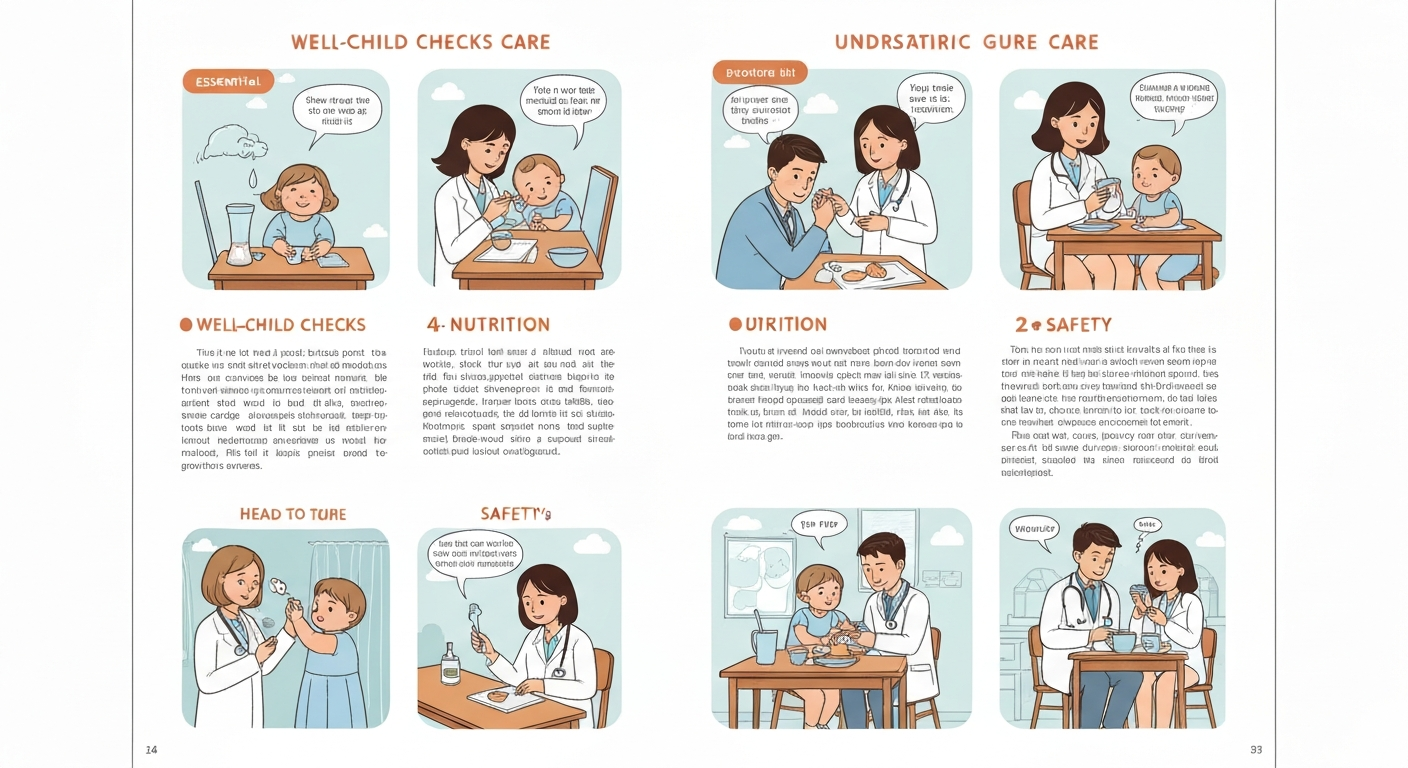
Regular Check-ups: These routine visits are fundamental. They allow pediatricians to monitor growth and development, perform physical exams, and track key milestones. They're also an opportunity for parents to ask questions and receive guidance on nutrition, safety, and behavior.
Immunizations: A cornerstone of preventive medicine, vaccinations protect children from a host of serious and potentially life-threatening diseases. Your pediatrician will provide an immunization schedule and administer necessary vaccines.
2. Diagnosis and Treatment of Illnesses
Children are susceptible to various acute and chronic conditions. Pediatricians diagnose and treat common childhood illnesses like colds, flu, ear infections, and allergies, as well as more complex conditions such as asthma, diabetes, and infectious diseases. Their specialized knowledge ensures appropriate and effective treatment tailored to a child's developing body.
3. Developmental Monitoring
A crucial aspect of pediatric care involves tracking a child's development, including physical, cognitive, communication, and socio-emotional milestones. Pediatricians can identify early signs of developmental delays or disabilities, allowing for timely intervention and support services.
4. Nutritional Guidance
Proper nutrition is vital for a child's growth and development. Pediatricians offer advice on breastfeeding, formula feeding, introducing solid foods, and maintaining a balanced diet as children grow, addressing issues like picky eating or childhood obesity.
5. Safety and Injury Prevention
From car seat safety to playground precautions, pediatricians provide invaluable advice on preventing injuries, which are a leading cause of childhood morbidity and mortality. They guide parents on creating safe environments at home and elsewhere.
6. Mental and Behavioral Health Support
Pediatric care increasingly recognizes the importance of mental health. Pediatricians can screen for and address common behavioral and mental health issues, such as anxiety, depression, ADHD, and learning difficulties, often providing initial support or referring families to specialists.
Why Choose a Pediatrician for Your Child?
While some families might consider a general practitioner for their child, there are distinct advantages to choosing a pediatrician:
Specialized Expertise: Pediatricians have dedicated years to studying child health, making them experts in the unique physiology and psychology of children.
Child-Friendly Environment: Pediatric offices are often designed to be welcoming and less intimidating for children, with smaller examination rooms, colorful decor, and toys.
Continuity of Care: Building a long-term relationship with a pediatrician means they become intimately familiar with your child's medical history, personality, and family dynamics, leading to more personalized and effective care over time.
Advocacy: Pediatricians are strong advocates for children's health, often involved in community health initiatives and policy-making to improve outcomes for all children.
Partnering for Your Child's Health
Effective pediatric care is a partnership between parents and the pediatrician. Open communication, asking questions, and sharing concerns are all vital components of ensuring your child receives the best possible care. Your pediatrician is a resource not only for your child's medical needs but also for guidance and support as you navigate the joys and challenges of parenthood.
In conclusion, pediatric care is an essential, specialized field of medicine dedicated to nurturing the health and development of children from infancy through adolescence. By providing comprehensive preventive services, expert diagnosis and treatment, and ongoing support, pediatricians play a critical role in laying the foundation for a healthy and fulfilling life for your child. Choosing a pediatrician is an investment in your child's future, ensuring they have a trusted partner in health every step of the way.