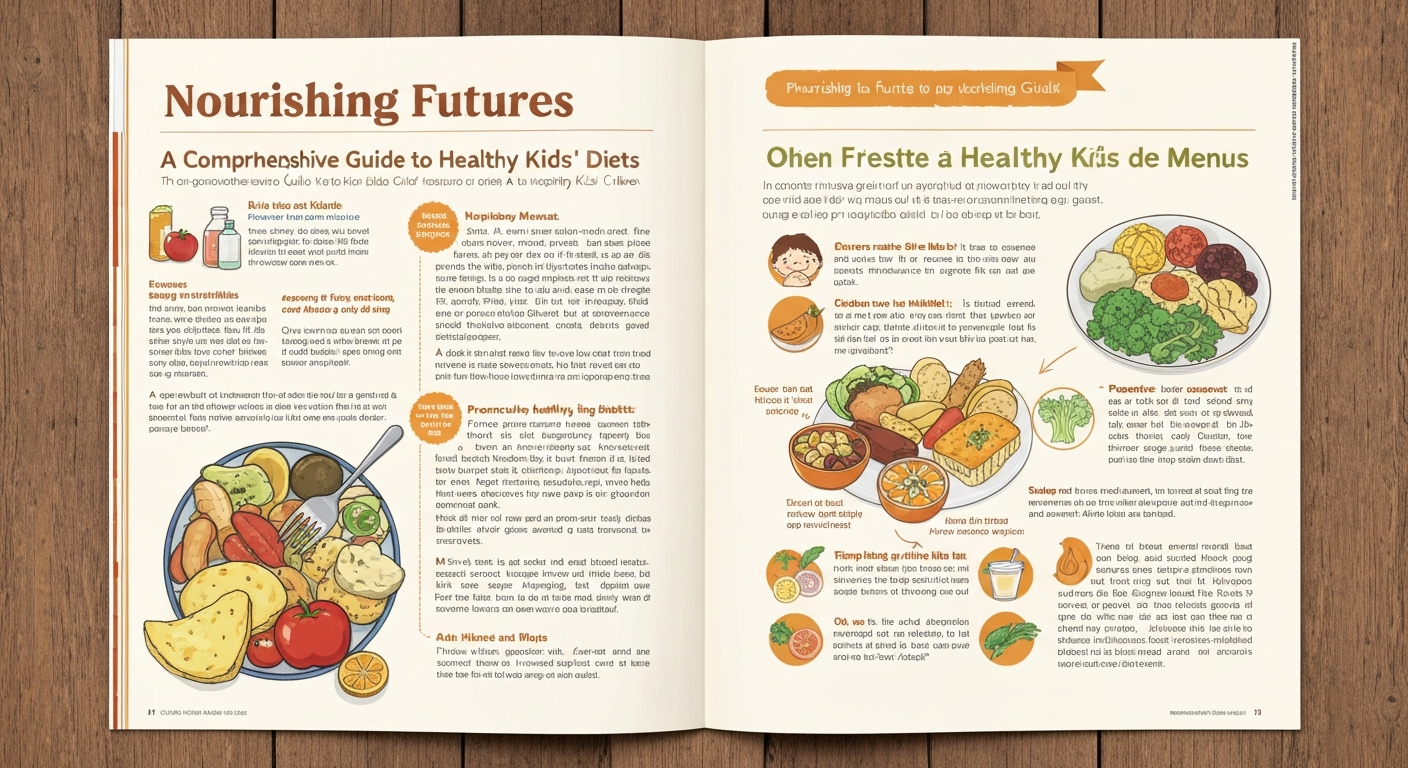
As parents, we all want the best for our children, and their diet plays a pivotal role in shaping their growth, development, and overall well-being. From their first solid food to their teenage years, the nutritional choices we make for them lay the foundation for a healthy life. But with so much information out there, understanding what constitutes a 'healthy' diet for kids can feel overwhelming. This guide aims to demystify children's nutrition, offering practical insights and actionable advice to help you nourish your little ones effectively.
Why a Healthy Diet is Crucial for Growing Kids
Children are not just small adults; their nutritional needs are unique and critical for rapid physical and cognitive development. A balanced diet provides the essential building blocks for:
Optimal Growth and Development: Nutrients fuel everything from bone development to brain function.
Strong Immune System: Proper nutrition helps children fight off infections and stay healthy.
Sustained Energy Levels: Healthy foods provide the energy needed for play, learning, and daily activities.
Cognitive Function: Certain nutrients are vital for concentration, memory, and learning capabilities.
Preventing Chronic Diseases: Establishing healthy eating habits early can reduce the risk of obesity, type 2 diabetes, and heart disease later in life.
Key Components of a Balanced Kids' Diet
A balanced diet for children should include a variety of foods from all major food groups to ensure they receive a wide spectrum of macronutrients (carbohydrates, proteins, fats) and micronutrients (vitamins, minerals).
Fruits and Vegetables: The Colorful Powerhouses
Encourage a rainbow of fruits and vegetables daily. These are packed with vitamins, minerals, fiber, and antioxidants essential for immunity and healthy digestion. Aim for at least 5 servings a day. Offer them raw, steamed, roasted, or as part of smoothies.
Whole Grains: Sustained Energy
Unlike refined grains, whole grains retain all parts of the grain, providing more fiber, B vitamins, and minerals. Examples include whole wheat bread, brown rice, oatmeal, quinoa, and whole grain pasta. Fiber aids digestion and helps maintain steady blood sugar levels, preventing energy crashes.
Lean Proteins: Building Blocks for Growth
Protein is essential for building and repairing tissues, making enzymes and hormones, and supporting muscle growth. Good sources include lean meats, poultry, fish, eggs, beans, lentils, nuts, seeds, and tofu. Aim for protein at every meal and snack.
Dairy and Dairy Alternatives: Bone Health
Dairy products like milk, yogurt, and cheese are excellent sources of calcium and vitamin D, crucial for strong bones and teeth. If your child has a dairy allergy or intolerance, fortified plant-based alternatives like almond, soy, or oat milk can be suitable substitutes. Always choose unsweetened varieties.
Healthy Fats: Brain and Nerve Development
Healthy fats are vital for brain development, nerve function, and nutrient absorption. Incorporate sources like avocados, nuts, seeds, olive oil, and fatty fish (salmon, mackerel) into their diet. Limit saturated and trans fats found in processed foods.
Foods to Limit or Avoid
While occasional treats are fine, certain foods should be limited or avoided in a child's regular diet due to their detrimental health effects:
Sugary Drinks: Sodas, fruit juices with added sugar, and sweetened teas contribute to weight gain and dental issues. Stick to water and plain milk.
Processed Foods: Often high in unhealthy fats, sugar, and sodium, these offer little nutritional value. Examples include packaged snacks, fast food, and most frozen meals.
Excessive Saturated and Trans Fats: Found in fried foods, baked goods, and some processed snacks.
Foods with Artificial Colors, Flavors, and Preservatives: Some children can be sensitive to these additives.
Practical Tips for Parents
Building healthy eating habits is a journey, not a sprint. Here are some strategies to help you along the way:
Be a Role Model: Children learn by imitation. If they see you eating nutritious foods, they are more likely to follow suit.
Involve Kids in Meal Prep: Let them wash vegetables, stir ingredients, or choose what fruit to add to a smoothie. This empowers them and makes them more likely to eat what they've helped prepare.
Make Food Fun: Cut sandwiches into fun shapes, arrange fruits and vegetables to look like faces, or give foods playful names.
Offer Choices (Within Limits): Instead of asking 'What do you want for dinner?', ask 'Would you like broccoli or carrots tonight?'.
Don't Force Food: Avoid food battles. It can create negative associations with mealtime. If a child refuses a food, offer it again another day. It can take many exposures for a child to accept a new food.
Healthy Snacking: Keep healthy snacks readily available, like fruit, yogurt, vegetable sticks with hummus, or a handful of nuts.
Regular Family Meals: Eating together provides a routine and a chance for connection, fostering better eating habits.
Addressing Picky Eaters
Picky eating is a common phase for many children. Patience and persistence are key. Continue to offer a variety of healthy foods without pressure. Introduce new foods alongside familiar favorites. Sometimes, simply seeing the food on their plate repeatedly is enough to spark curiosity. Remember, you decide what to offer, and your child decides how much to eat.
Conclusion
Nourishing your child's body with a balanced diet is one of the most significant investments you can make in their future health and happiness. While challenges like picky eating or busy schedules are inevitable, focusing on whole, unprocessed foods, limiting sugar and unhealthy fats, and involving children in the process can make a world of difference. By establishing positive eating habits early, you're not just feeding them for today; you're empowering them with the foundation for a lifetime of well-being. Remember, progress, not perfection, is the goal. Every healthy choice adds up.